November 12, 2026
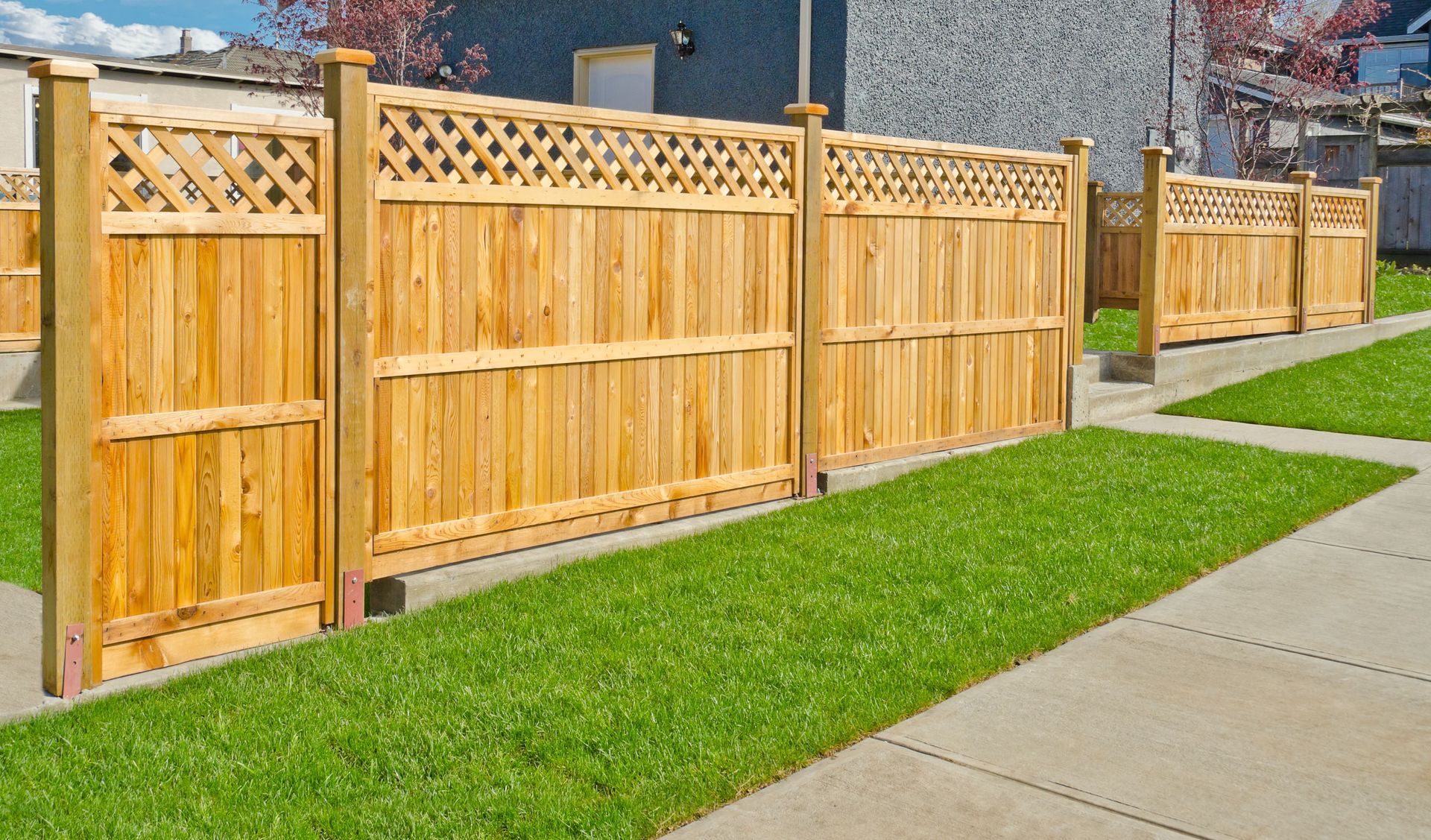
A timber perimeter adds warmth, security, and beauty to any residence. Homeowners frequently invest in custom wood fencing to establish privacy while elevating the exterior charm of their landscape. However, natural materials face relentless exposure to unpredictable outdoor elements throughout every season of the year. Wind, humidity, shifting ground, and seasonal climate swings all combine to place substantial mechanical and biological stress on every single component.
Without adequate care, organic components gradually succumb to structural decay, insect infestations, and harsh weather. Protecting your investment requires consistent attention, smart environmental management, and defensive surface treatments. By implementing proactive preservation techniques, you can ensure that your perimeter stands strong, resilient, and attractive against the harshest elements for an extended duration. Regular oversight prevents minor surface blemishes from evolving into irreversible structural damage.
Identifying Vulnerabilities in Outdoor Timber
Every outdoor boundary faces relentless challenges from the natural environment. Soil moisture continually seeps toward low-hanging planks, while aggressive sunlight slowly bakes defensive oils out of individual pickets. Owners of custom wood fencing often discover that small structural vulnerabilities quickly compound into severe hazards if left unchecked. A small crack can welcome pervasive dampness, which invites insidious fungal colonies deep into internal layers.
Recognizing early warning signs prevents widespread devastation across entire boundary lines. Soft spots, discoloration, and small boreholes signal ongoing distress within the lumber. Routine inspections across both sides of the perimeter help identify issues before they compromise foundational stability. Vigilance remains your strongest defense when managing outdoor timber structures through changing weather patterns.
Detailed examinations should encompass posts, fasteners, horizontal rails, and individual pickets. Checking the interface where wood touches soil provides immediate insight into hidden fungal decay. Pay close attention to rusty hardware or loose fasteners, as corroded metals accelerate surrounding fiber decomposition. Catching small defects early preserves overall structural cohesion and prevents costly replacements.
Preventing Persistent Moisture and Rot
Excess moisture creates the ideal environment for fungal decay. When water penetrates exposed grain, fungal spores flourish and consume the structural fibers of the boards. Installing high-grade custom wood fencing helps defend against premature rotting, but ongoing ground clearance remains critical for long-term health. Water that pools around post bases inevitably softens the heartwood and weakens the entire support system.
Keep soil, accumulated leaves, and lawn debris away from the bottom edges of the pickets. Ensure landscape sprinklers direct their spray patterns away from the boards to avoid constant saturation. Directing moisture away from your boundaries prevents wet rot from destroying the base posts and pickets. A simple gravel border underneath each panel assists in diverting pooled water away from sensitive surfaces.
Furthermore, grading adjustments can alter surface runoff paths around the perimeter. Sloping the landscape gently away from boundary structures keeps heavy rainwater from stagnating near foundational posts. Ensuring that surface water moves briskly away during cloudbursts preserves structural balance. When wood stays dry between atmospheric storms, fungal growth struggles to take root.
Deterring Subterranean and Wood-Boring Termites
Subterranean pests view outdoor enclosures as an abundant source of sustenance. Once wood-boring insects locate damp lumber, they create internal channels that undermine overall strength. Property owners often choose pressure-treated custom wood fencing because chemical preservatives provide an inherent barrier against aggressive pests. Infestations often advance undetected for lengthy periods because destructive pests hollow out planks from the inside out.
Eliminating adjacent food sources significantly minimizes pest risks around your yard. Avoid stacking firewood, mulch piles, or decomposing yard trimmings directly against your borders. Applying insecticidal repellents around post bases forms an invisible protective perimeter that discourages invasive colonies from nesting within your lumber. Keeping soil levels below vulnerable framing members denies pests easy access.
Routine pest monitoring should include checking for mud shelter tubes rising along post surfaces. If exploratory insect tunnels appear, immediate physical removal and soil treatment become necessary steps. Professional extermination barriers around fence footprints safeguard the broader yard against colony expansion. Maintaining dry, clean perimeters remains the most effective deterrent against invasive insects.
Shielding Lumber Against Harmful Sun Damage
Intense sunlight inflicts severe damage through invisible ultraviolet radiation. Solar exposure depletes essential moisture within boards, causing timber to warp, splinter, and turn dull gray. Choosing custom wood fencing crafted from resilient species like cedar or redwood provides inherent defenses against solar rays. Natural resins offer some defense, but uninterrupted exposure eventually breaks down even sturdy lumber.
Protective stains and sealants counteract continuous solar deterioration. High-grade finishes incorporate specialized ultraviolet inhibitors that deflect harmful radiation before it breaks down natural fibers. Periodic reapplication of these formulas keeps the wood supple, preventing deep surface fissures and severe panel distortion. Consistent replenishment of protective surface layers preserves the vibrant tone of the natural grain.
Thermal fluctuations exacerbate solar drying by driving rapid expansion and contraction cycles. During peak daytime heat, wood fibers stretch, only to shrink tightly as temperatures drop overnight. This continuous movement loosens conventional fasteners and widens microscopic surface checks into major cracks. Penetrating sealants flexible enough to breathe with natural movement offer the best long-term shield against intense solar radiation.
Applying Protective Sealants and Stains
Surface coatings serve as the primary barrier between raw timber and external threats. According to HGTV, a wooden fence should last from 10 to 15 years with proper maintenance. Selecting quality stains ensures that custom wood fencing retains its rich color while repelling driving rain and intense humidity. Modern finishes combine pigment protection with deep-penetrating resins that preserve timber vitality.
Before coating, thoroughly wash the surface to remove mildew, dust, and peeling residues. Allow the boards to dry completely so the formula absorbs deeply into the open pores. High-quality oil-based sealants provide flexible water repellency that moves naturally with expanding and contracting grain patterns. Brushing the product thoroughly across end-grain cuts ensures complete defense where wood absorbs water most greedily.
Reapplying surface treatments on an established maintenance cycle keeps weather barriers robust. Water drop tests help determine when fresh sealant is required; if water fails to bead on the surface, protection is waning. Choosing penetrating formulas over heavy solid paints eliminates issues like cracking and blistering. Regular refinishing sustains beauty and reinforces the structural lifespan of every component.
Managing Surrounding Vegetation and Airflow
Thick vegetation traps moisture and prevents natural air circulation along the boundary line. Overhanging branches drop sap, wet leaves, and moss directly onto exposed boards. Homeowners who care for custom wood fencing make trimming shrubs, climbing vines, and ornamental trees a regular priority. Dense growth also conceals developing rot and pest problems from routine observation.
Sustained airflow allows wet timber to dry quickly after heavy downpours. By clearing away overgrowth, you eliminate dark, damp microclimates where mold and wood-destroying insects flourish. Maintaining a generous buffer zone around each panel protects the entire framework from physical friction and organic buildup. Pruning lower limbs also prevents heavy storm damage from falling branches.
Vines, though visually charming, anchor invasive rootlets into wood grain and pry seams apart. These clinging plants retain moisture against the lumber, vastly accelerating biological decay. Regular root clearing and plant training redirect aggressive flora into dedicated trellises away from the perimeter.
Safeguarding your outdoor boundaries preserves property value, personal privacy, and home security for many seasons to come. Beautiful
custom wood fencing deserves superior craftsmanship, dedicated preservation, and high-performance materials. Connect with River City Fence Inc today to schedule a comprehensive consultation or upgrade your residential perimeter with lasting strength and style.