March 16, 2026
Finding a reliable fence contractor is crucial to ensure the quality and durability of your fencing project. This guide will walk you through the essential steps and considerations to make an informed choice. A well-installed fence not only enhances the aesthetics of your property but also serves functional purposes such as privacy, security, and boundary definition. The process of choosing a fence contractor requires due diligence and careful assessment of multiple factors. By following this guide, you can avoid common pitfalls and ensure your commercial fencing project is completed to your satisfaction.
1. Understand Your Fencing Needs
Before embarking on your search for a contractor, it is important to first understand your specific commercial fencing needs. To start, evaluate the purpose of the fence. Is it for privacy, security, decoration, or boundary marking? Each purpose may dictate different material and design choices. Understanding this will help communicate your requirements more effectively to potential contractors.
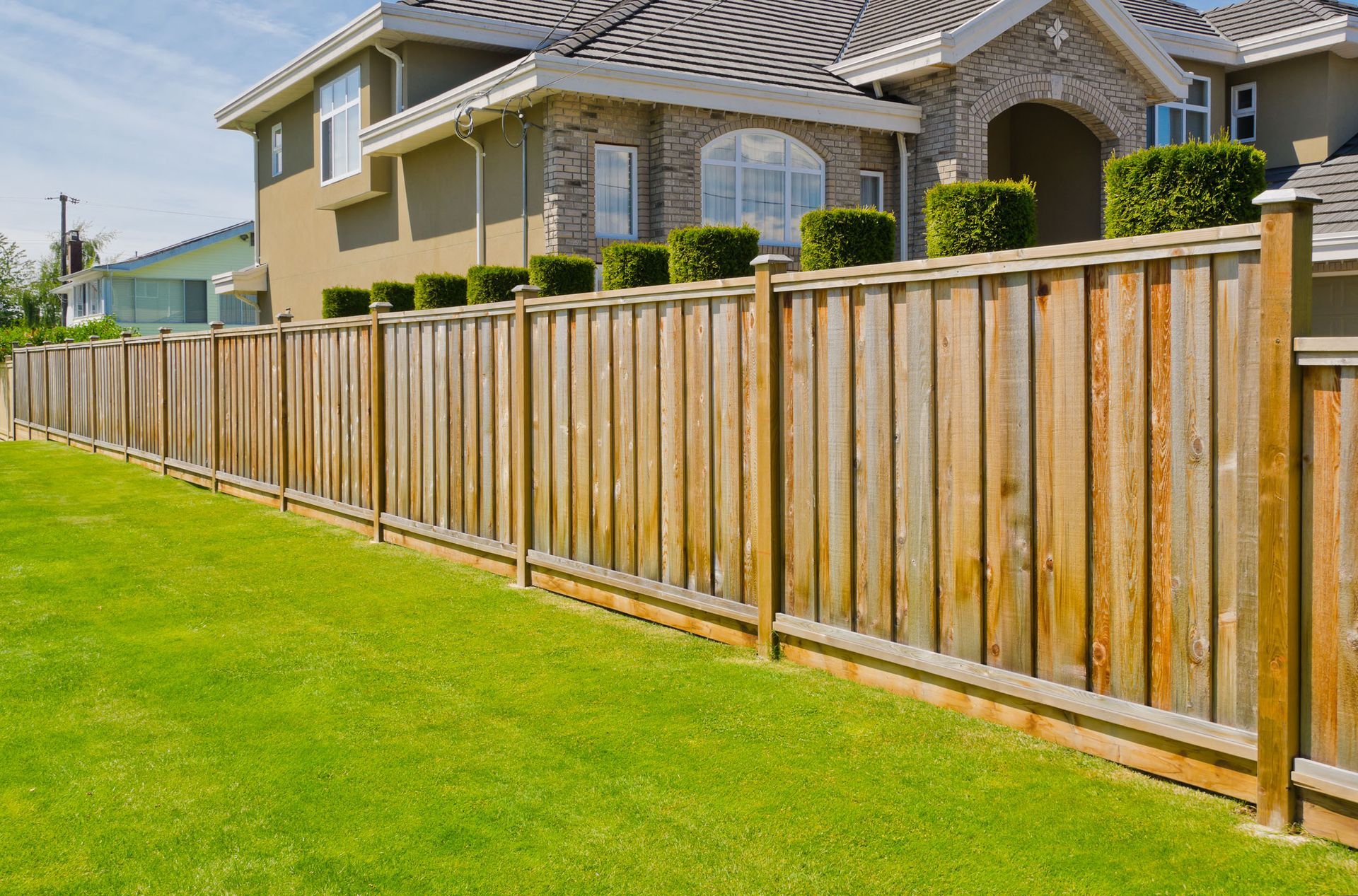
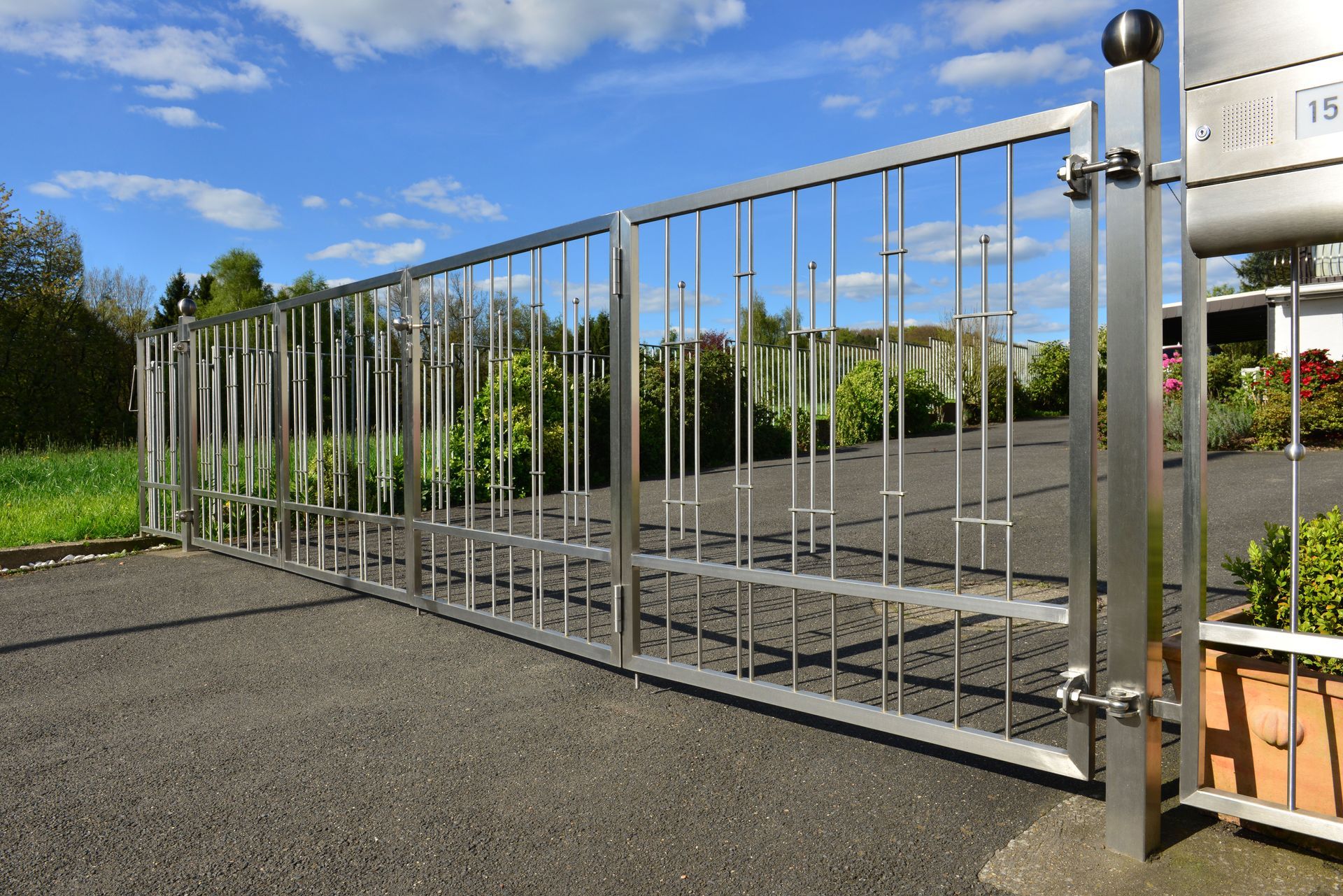
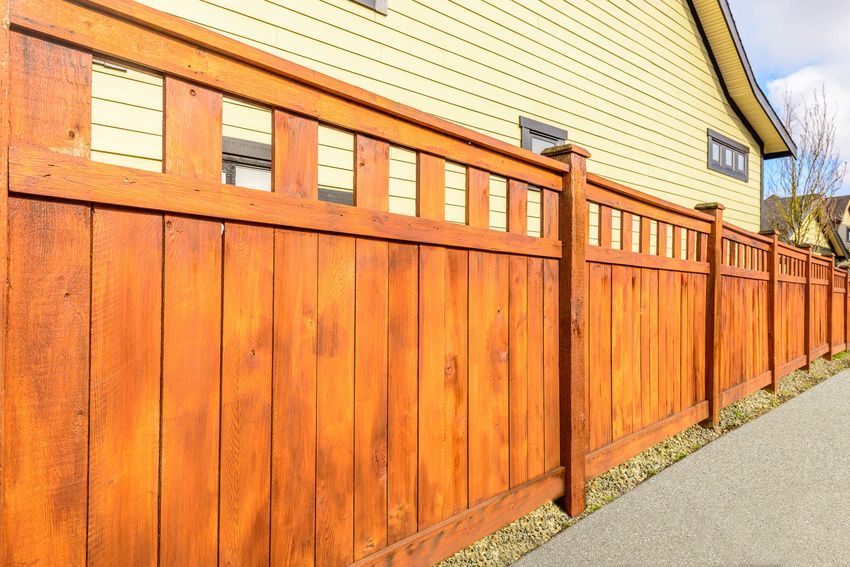
Next, determine the desired materials for your fence. Common materials include wood, vinyl, chain link, and metal. Each material has its own advantages and drawbacks depending on maintenance, durability, and cost. Clarifying your material preference can aid contractors in providing more accurate estimates and timelines.
Consider the fence design and style that will complement your property. Whether you prefer a modern aesthetic or a traditional look, it is key to visualize the final product. Assessing the terrain of your property is equally vital; uneven terrain or property limits might require specific fence types. Additionally, estimate your budget to ensure the project does not exceed your financial comfort zone.
2. Research Potential Contractors
One reliable way to find potential contractors is by seeking recommendations from friends and family. Individuals who have recently completed similar projects can provide honest feedback and suggest reputable contractors. This personal insight often reveals real-world results that align closely with potential outcomes on your project.
Utilizing online reviews and ratings is another effective method of researching commercial fencing contractors. Websites like Angie's List or Yelp offer comprehensive databases of past customer experiences. They provide a platform to gauge the satisfaction levels of previous clients, which can indicate the reliability of a contractor. According to Landscaping Network, browsing through the average height specification, such as a typical 6-foot backyard fence, can give context to an online review or a client's experience.
Additionally, explore local business directories to identify licensed professionals in your area. Always verify the credentials and certifications of the contractors on your list. Contractors with ample experience in projects similar to yours are likely to handle unforeseen challenges effectively, ensuring a smoother process for you.
3. Verify Licensing and Insurance
Ensuring that your chosen contractor meets state and local licensing requirements is crucial. Licensed contractors are typically well-versed in regulation compliance, which helps prevent legal complications. Verify their credentials by checking with relevant licensing boards or home builder associations.
Request proof of liability insurance to protect yourself against potential liabilities. Contractors with proper insurance coverage demonstrate professionalism and readiness to handle unexpected damages or accidents on-site. Ask for documentation of insurance policies to confirm their validity during the project's timeframe.
Additionally, understand the worker’s compensation coverage held by the contractor to protect yourself from potential claims. Verify the contractor's bond status, which assures project completion satisfaction. An unlicensed contractor may pose risks such as subpar work or legal disputes, so recognizing these implications is essential.
4. Request Detailed Estimates
Once you have shortlisted potential contractors, it's time to request detailed estimates for your project. Comparing estimates from multiple contractors allows you to evaluate cost-effectiveness and avoid exorbitant charges. Ensure that each contractor provides a comprehensive cost breakdown and payment terms.
Analyze the payment structure; for instance, a common practice is to pay a third upfront, a third halfway through, and a third upon completion. Consider the project timeline expectations to ensure they align with your schedule. Also, inquire about warranties and guarantees, as they can provide peace of mind regarding the project's longevity.
Evaluate the transparency and clarity of each estimate. An organized and detailed estimate reflects the contractor's professionalism and willingness to engage openly with you. It also helps set realistic expectations, minimizing potential disputes during and after the project.
5. Conduct Interviews and Ask Key Questions
Before finalizing your decision, conducting interviews with potential contractors is essential. Discuss their experiences on past projects, especially those similar to yours. This conversation can reveal a contractor's strengths and potential challenges, aiding in the decision-making process.
Inquire about subcontracting practices as some contractors outsource part of their work. Understanding their communication and updates process helps ensure that you will be informed of the project's progress. Clear communication is key to aligning expectations and avoiding misunderstandings.
Discuss site management and cleanup procedures to understand their operational standards. A reliable contractor should ensure a clean and safe site, both during and after the project. Carefully review contract terms to ensure all project aspects are documented to protect both parties involved.
6. Make an Informed Decision
With all the information gathered, take the time to evaluate each contractor's strengths and weaknesses. The decision should not solely be based on cost but also on quality, experience, and reviews. Consider the contractor's reputation and reference feedback to assess their reliability and trustworthiness.
Assess the compatibility and trustworthiness through previous interactions and any potential red flags. Reconfirm project specifications and expectations before signing any agreement. Ensure you are comfortable with your final choice, as this will foster a better working relationship and project success.
It's crucial to go over every detail meticulously, including specifics like the choice of a standard 6-foot backyard fence height. This ensures transparency and comfort with the project scope and quality. Making a well-informed decision builds confidence and sets the stage for a successful outcome.
7. Review Local Regulations and Property Lines
Before beginning any fencing project, it’s important to understand local regulations and property boundaries that may affect installation. Many cities and homeowner associations have specific rules regarding fence height, placement, materials, and visibility near roads or intersections. Checking with your local municipality or HOA can help you avoid costly fines, delays, or the need to modify your fence after installation. A knowledgeable contractor should also be familiar with these requirements and help ensure your project complies with all local guidelines.
Confirming your property lines is equally essential before construction begins. Installing a fence beyond your property boundary can lead to disputes with neighbors and potential legal issues. Reviewing your property survey or hiring a professional surveyor can help clearly identify where the fence should be placed.
Choosing a reliable fence contractor is a critical decision that requires careful consideration of various factors. By following these guidelines, you can confidently select a contractor that matches your needs and expectations, ensuring a successful commercial fencing project. The process involves understanding your commercial fencing requirements, conducting thorough research, and verifying essential credentials.
Additionally, obtaining detailed estimates and conducting interviews with prospective contractors are integral to making an informed choice. Remember that the right contractor should offer more than just a competitive price; they should demonstrate professionalism, transparency, and dedication to delivering quality work.
With the right preparation and due diligence, you can secure a contractor that not only meets your budgetary constraints but also aligns with your vision and standards. This investment of time and effort will provide satisfaction with your commercial fencing project for years to come, so contact River City Fence Inc. today to get started with your next commercial fencing project.