February 13, 2026
Chain-link fences are a popular choice for businesses seeking to balance cost-effectiveness with security. Understanding whether this type of fencing suits your specific needs involves weighing several factors, from security requirements to aesthetic preferences. Working with an experienced commercial fence company can help assess your business's unique circumstances and determine the suitability of a chain-link fence for your premises. Often seen in industrial areas, these fences can serve a variety of functions when thoughtfully implemented. Understanding the pros and cons of chain-link fences will guide you in making an informed decision.
Understanding Chain-Link Fences
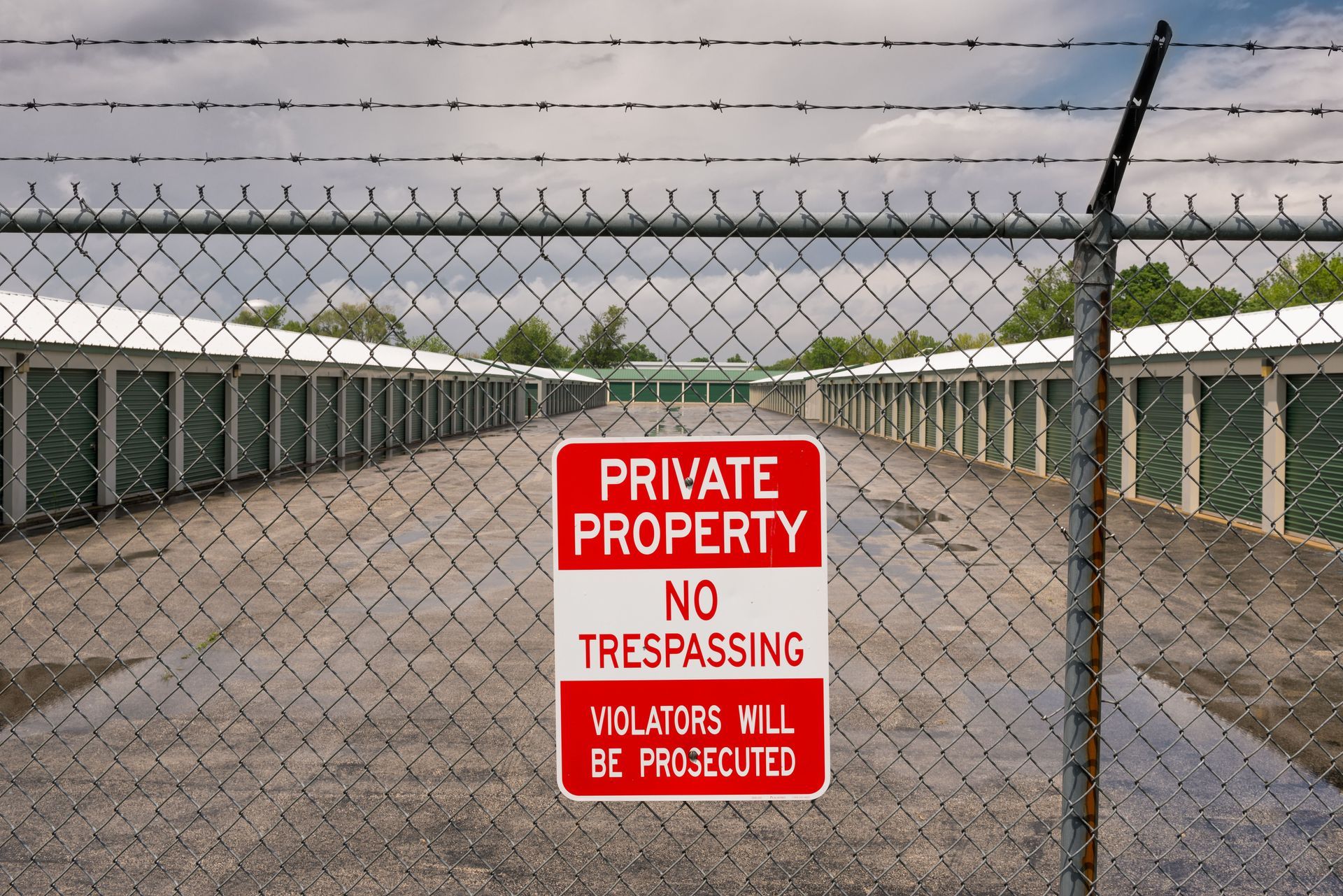
A chain-link fence, also known as a wire-mesh fence, is a type of woven fence made from galvanized or LLDPE-coated steel wire. The wires run vertically and are bent into a zigzag pattern so that each "zig" hooks with the wire immediately on one side and each "zag" with the wire immediately on the other side. This forms the characteristic diamond pattern seen in this type of fencing. Chain-link fences are popular due to their functionality, affordability, and ease of installation, which is why a commercial fence company often recommends them for business properties. They are used in various settings, ranging from sports fields and school perimeters to industrial areas and residential yards.
The basic design and structure are quite simple, which contributes to the fence's affordability and quick installation time. In industrial contexts, chain-link fences are favored because of the unobstructed views they offer, allowing surveillance even from a distance. They do not create perimeter 'blind spots' and can be easily adapted for different kinds of terrains. While not inherently privacy-enhancing, slats or wind screens can be added for additional privacy. This kind of fencing balances practicality with adaptability, making it suitable for different kinds of environments.
Aside from the practical advantages, many businesses choose chain-link fences due to their durability. According to Bob Vila, chain-link fences have a lifespan of around 20 years, making them a long-lasting investment. They require minimal maintenance compared to other fencing options. In areas with harsh weather conditions, these fences hold up well without deteriorating. This longevity appeals to companies looking for a solid return on their investment without the hassle of frequent repairs.
Chain-link fences are commonly constructed from coated steel wire. This coating can be in the form of zinc, which provides a galvanized finish that helps prevent rust and corrosion. Galvanized steel is the most common choice due to its combination of strength and cost-efficiency. Some fences use a polyvinyl chloride (PVC) coating to further extend their lifespan and improve aesthetic appeal. Both materials offer viable solutions depending on the environmental conditions and specific needs of the business.
LLDPE-coated (linear low-density polyethylene) wires offer another durable and aesthetic option for chain-link fences. This type of coating provides additional protection against the elements and typically offers a larger array of color choices. Businesses looking to match a specific color scheme or need enhanced corrosion resistance might prefer this option. LLDPE coatings are particularly popular in regions with drastic climate changes as they offer greater flexibility with temperature fluctuations. Choosing the right material for your fence ensures that it will effectively serve its purpose and endure over time.
The material choice affects the fence's maintenance needs and overall longevity. Galvanized fences may require occasional rust prevention treatment, although their maintenance is generally minimal. Meanwhile, PVC or LLDPE-coated options may require some attention to scrapes or color fading over time. Still, the advanced performance of these materials makes them a preferred choice for businesses looking to minimize upkeep costs. Each material offers advantages and considerations that should be assessed during the decision-making process.
Assessing Security Needs
Security plays a critical role in the operations of any business. It protects assets, ensures employee safety, and helps maintain customer trust. A well-crafted security plan is essential not only to deter potential threats but also to comply with legal regulations. Chain-link fences can form part of a broader security strategy, and a knowledgeable commercial fence company can help integrate them effectively. Implementing effective security measures safeguards the business's operations and sustains its reputation.
Chain-link fences operate both as a deterrent and a barrier. Their presence alone can dissuade trespassers due to the visibility of a secure perimeter. In addition, they allow security personnel to maintain clear sightlines to detect and respond to threats efficiently. Fencing alone is not sufficient; it should complement other systems such as alarms, surveillance cameras, and controlled access points. Integrating chain-link fences with these additional measures enhances overall security and protection.
Security needs differ depending on many factors such as industry, location, and asset value. A comprehensive evaluation of these factors helps businesses decide whether chain-link fences meet their requirements. Sometimes, the demands of security might require more sophisticated solutions. For instance, businesses in high-crime areas or those dealing with sensitive materials may require advanced security measures. Recognizing the specific security landscape and corresponding needs ensures tailored and effective protection.
When it comes to securing a business, chain-link fences are often compared against other types of security solutions. Alternatives like electric fencing, steel palisade fences, and perimeter walls might offer different benefits. Electric fences can provide active deterrence through low-voltage shocks, creating an effective barrier for high-security areas. Steel palisade fences offer a formidable physical deterrent with their intimidating spikes and robust design. Perimeter walls, while costly, offer unmatched privacy and security against a variety of weather conditions.
Unlike these alternatives, chain-link fences are generally more cost-effective and versatile. Their see-through nature allows for better monitoring compared to solid walls, which may create security blind spots. Although they do not provide shock deterrence like electric fences, their aesthetic can be less aggressive and more approachable. For businesses considering aesthetics and local regulations, chain-link fences can offer a more balanced approach. They align well with regions where heavy security might be legally constrained or socially undesirable.
Cost Considerations
In considering a new chain-link fence for business premises, understanding the initial installation costs is fundamental. Cost factors include materials, size, labor, and respective site needs. Galvanized steel is usually the most budget-friendly option for businesses looking for a dependable and affordable fence. Installation costs can range and depend extensively on property size and specifications, typically calculated per linear foot. Consulting a commercial fence company early in the process helps businesses obtain accurate quotes and avoid unexpected expenses.
Customization choices, like adding vinyl coatings or decorative elements, may elevate initial expenditure. Simultaneously, investing upfront in higher-grade materials may curtail future repair costs. Evaluating the total financial picture, including potential trade-offs, will ascertain a fiscally sound decision. Through careful budgeting and strategic planning, businesses optimize the economic viability of initial fencing investments. Incorporating professional guidance during this process alleviates unforeseen setbacks or misallocation of resources.
Financial planning for fencing installations accentuates the importance of seeking competitive pricing. Obtaining multiple proposals allows companies to compare service levels, skillsets, and post-installation warranties. Engaging in transparent discussions with professionals helps anticipate extra costs borne from unique site conditions. Site preparation, terrain compatibility, and accessibility should be evaluated concurrently to prevent cost escalations. Realizing transparent dialogue and keeping these factors visible ensures expenditures remain in alignment with achievable goals.
Long-term ownership of chain-link fences incurs sustained maintenance responsibilities and related expenses. While these fences are acclaimed for minimal upkeep, ensuring longevity necessitates proactive measures. Basic maintenance includes regular inspections for rust, bent wires, or other physical deformities. Galvanized options or those with protective coatings require cleaning to mitigate corrosive buildup, particularly near saline or moisture-prone locales. For special coatings and enhancements, periodic attention defines the quality retention of aesthetics and function.
Ultimately, determining whether a chain-link fence is right for your business depends on security needs, budget, and long-term maintenance expectations. By partnering with a trusted commercial fence company, businesses can ensure proper material selection, professional installation, and a fencing solution that aligns with both operational goals and site conditions. For more information about the services that we offer, reach out to our incredible team at River City Fence Inc.